
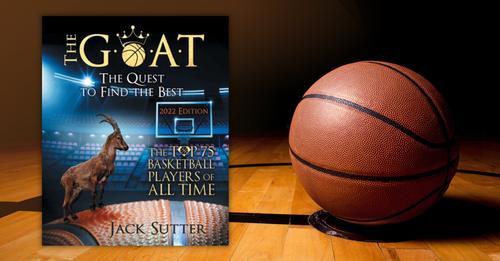
THE GOAT
One question. Decades of greatness. The definitive search for basketball's greatest of all time.
The History of the Greater Egyptian Conference
Over a dozen new photos. Mistakes corrected. Stats and records updated. 73 of the 77 conference MVPs now identified — plus a whole new chapter of Notable Quotes from the players and coaches who lived it.
$20 shipping included
Order via Venmo — @jack-sutter-102nd
Edition
'Moose' would go sit with the opposing team's players before the game and find out who was going to guard him and let them know that they were in a long, hard night.
Dozens more stories and anecdotes from GEC players, coaches, and fans — only in the 2nd Edition.
★ Latest Stories
Read the Decades
 Countdown
#2 — Kareem Abdul-Jabbar
The embodiment of winning — 6 NBA titles, 3 NCAA titles, 3 high school city titles. No player has won more at every level.
See the Reveal Countdown
#3 — Michael Jordan
The most recognized basketball name on the planet — and the most debated G.O.A.T. candidate of all time.
See the Reveal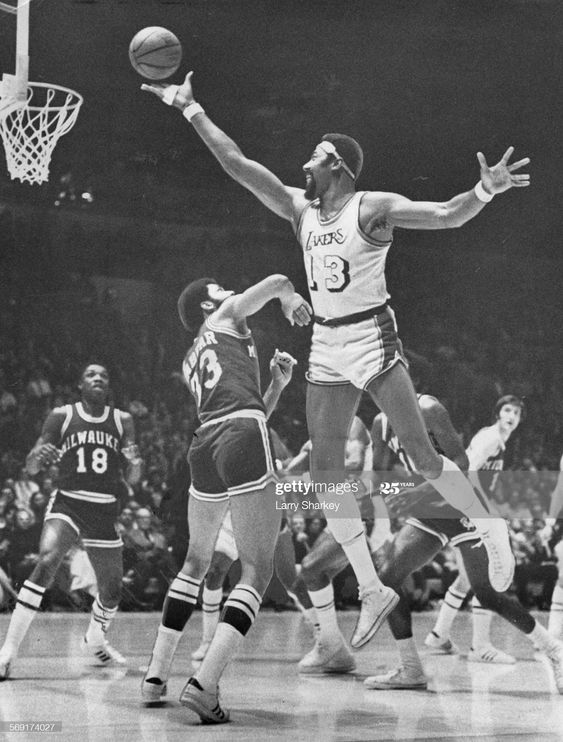 Countdown
#4 — Wilt Chamberlain
The player who changed THE game — more rules were rewritten to neutralize him than any player in history.
See the Reveal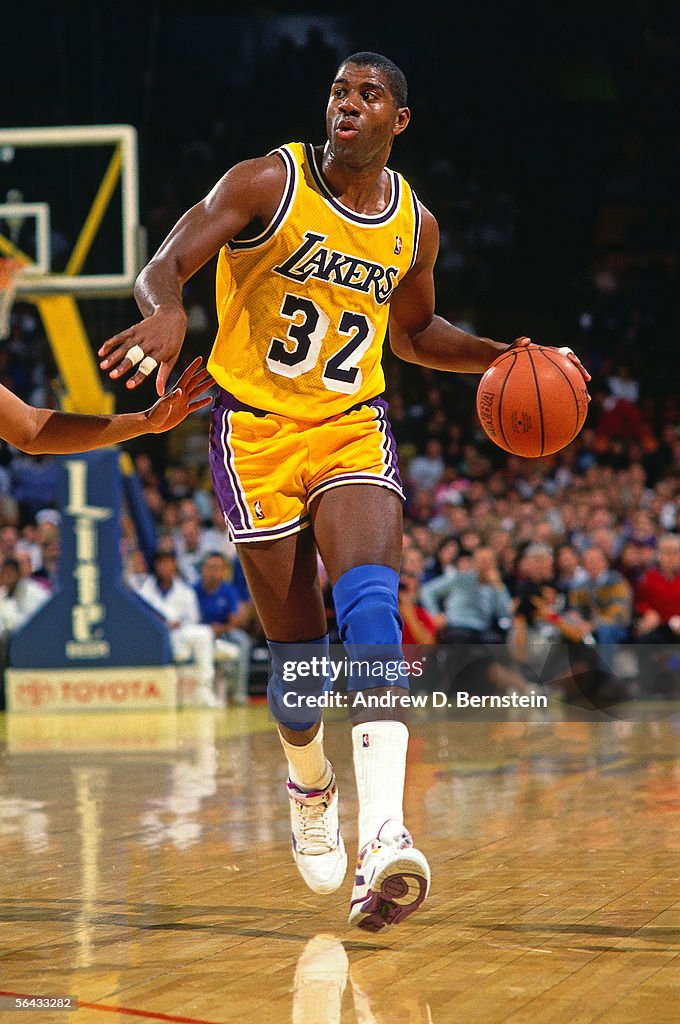 Countdown
#5 — Earvin "Magic" Johnson
Part Hollywood, part Mid-America heartland — the player who, with Bird, rescued the NBA from mediocrity.
See the Reveal NBA
NBAWhat Could Go Wrong with This Prediction on the 2026-27 NBA Season?
Straight from the hip — no research, no stats, no criteria. Just a feeling. Here are my predictions for the 2026-27 NBA season, and why I believe the Philadelphia 76ers finally end the drought.
Read MoreA Salute to My Childhood Hero
Remembering Bob Pettit — the St. Louis Hawks legend who set the standard for power forwards and taught a young Southern Illinois boy what greatness looked like.
Read More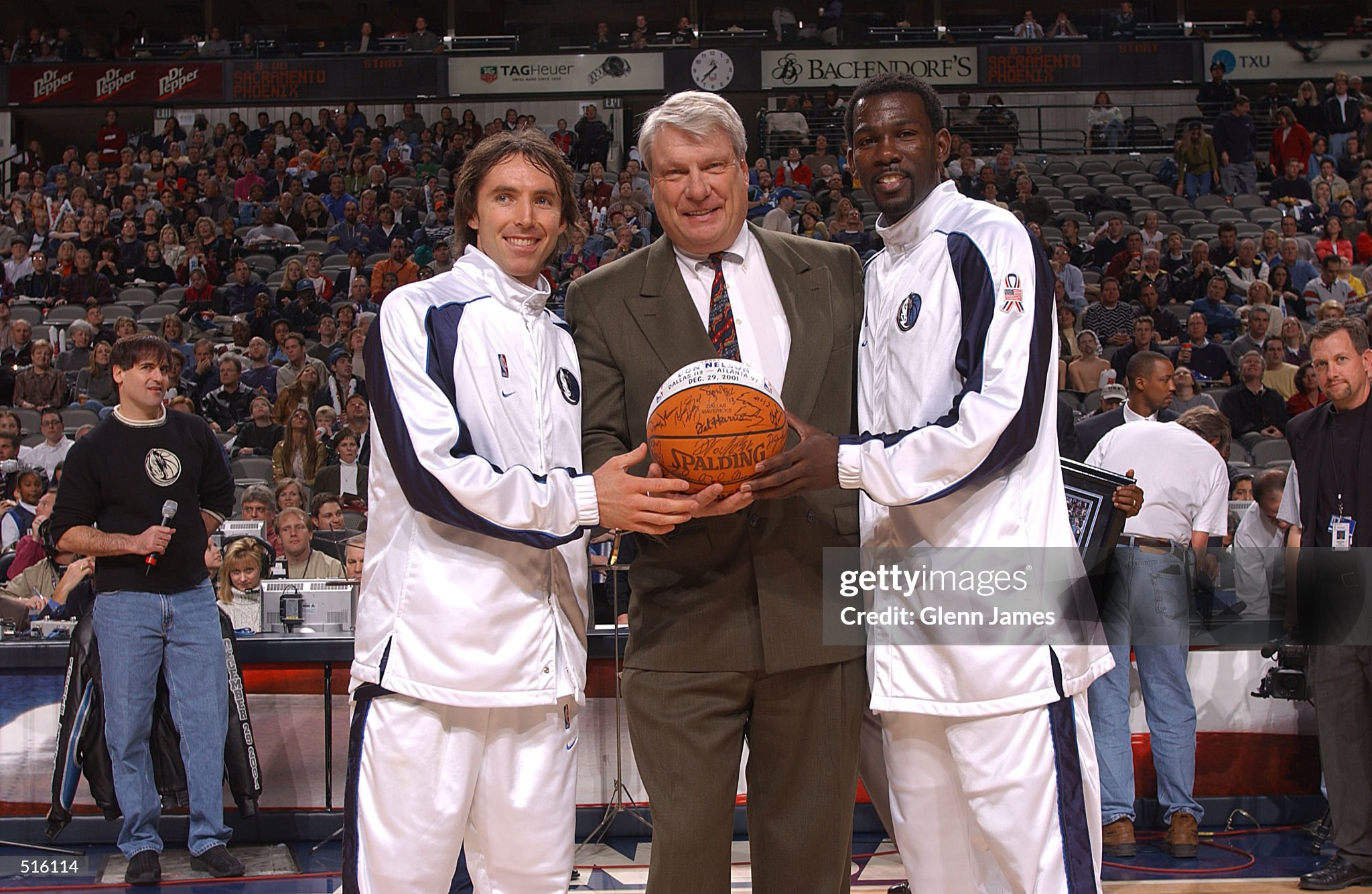 Illinois Special
Illinois HS Greats: More Legends From the 1950s Through the 1990s
11 more Illinois high school basketball greats from seven decades — reader-submitted names recognizing the players and coaches who made their mark on the state's basketball history. Featuring Michael Finley, Dave Corzine, Eric Anderson, and more.
Read More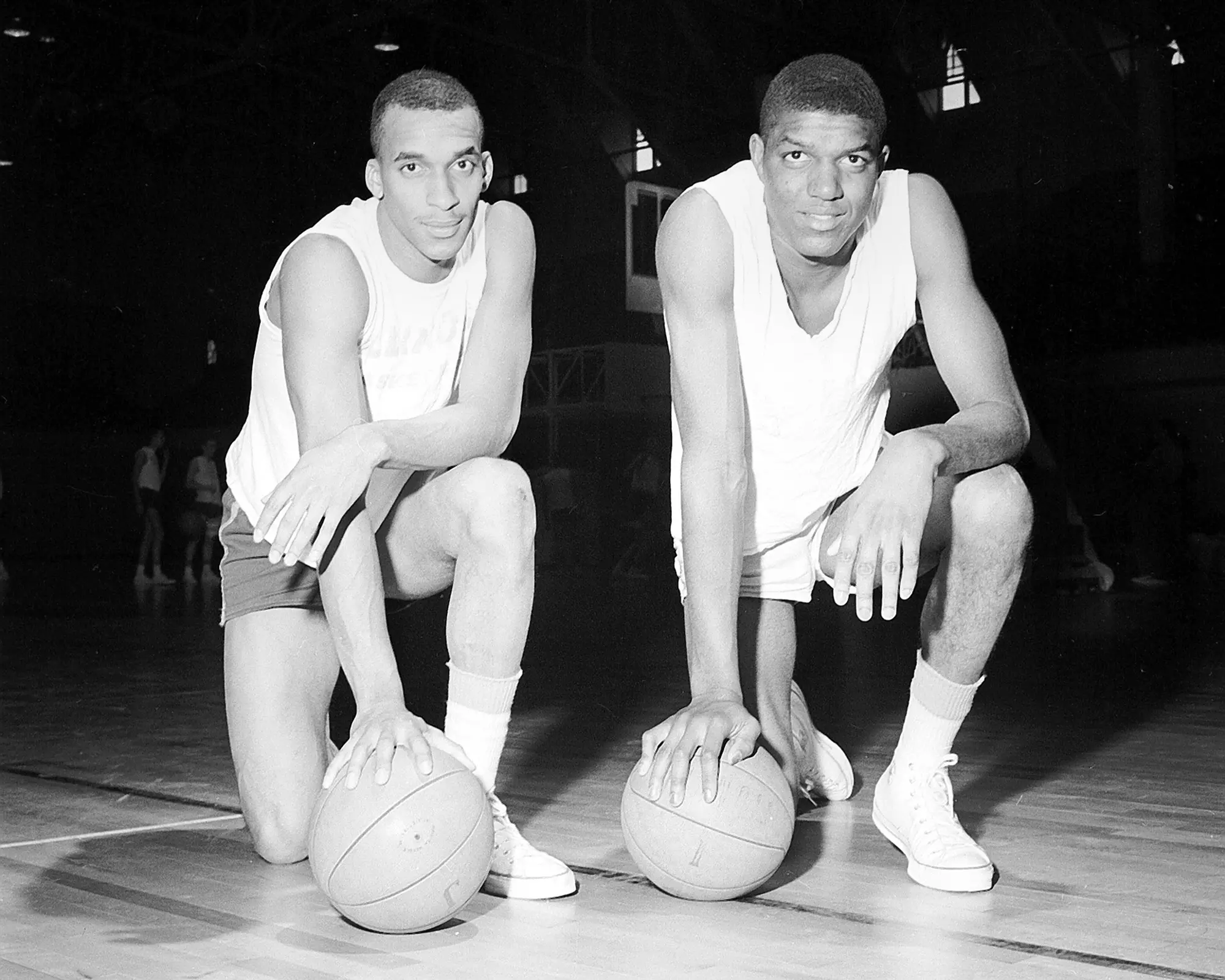 Illinois Special
No Great Illinois High School Player Forgotten — Part II
The latest installment of reader-submitted Illinois high school basketball legends — from Mannie Jackson and Govoner Vaughn at Edwardsville in the 1950s to Patrick Beverley and Martell Bailey in the 2000s — plus a Coach's Corner on Max Kurland, Mike Bailey, Will Slager, and Jim Maxedon.
Read More Illinois Special
No Great Illinois High School Player Forgotten
The next round of reader-submitted Illinois high school basketball greats — from Dave Downey and Don Ohl in the 1950s to Darius Miles in the 2000s — plus a Coach's Corner on Edwardsville's Mike Waldo.
Read More Illinois Special
Now Available: The 2nd Edition of The History of the Greater Egyptian Conference
Over a dozen new photos, mistakes corrected, stats and records updated, and 73 of 77 conference MVPs now identified. $20, shipping included. Order via Venmo.
Read MoreCountdown to The G.O.A.T.
It has been four years since The GOAT: The Quest to Find the Best was published. Now the debate begins again — and the top 5 will be revealed one player every Thursday, starting with #5 this Thursday, September 10.
After 10 months of research and consulting with a friend who knows more about the NBA than anyone I know, my book The GOAT: The Quest to Find the Best was published in September of 2022. The 162-page book joined the ranks of the extensive and seemingly never-ending debate about the greatest basketball player of all time.
As a former D1 coach and someone who has been on the bench as a coach for 22 years, I approached the purely hypothetical question from a different perspective than anyone else who has written a book about the subject. I understand that this is an exercise in futility. Generally, a basketball fan's choice for the greatest player is their favorite player — an opinion that comes from the heart more often than the mind. There are very few basketball fans that I have ever discussed this topic with that can remove their "feelings" and focus totally on facts, stats, and a player's accomplishments "on the court." I get it; that is totally normal. So why write a book and devote that much time and effort to answer an unanswerable question? In a way, there is no "right" answer. There are too many intangibles such as era, rule changes, league size, etc. But I couldn't resist — I just love basketball. The debate is timeless, fun, engaging, and provides lively discourse.
When I began my research for this book, I had my favorite childhood player in my top 10, Jerry West. I have been a follower and fan of the NBA since the early 50's. I have seen everyone who has played in the NBA in "real time" throughout my 7 decades. West was my favorite player. The basketball player that I thought was the best, hands down, was Wilt Chamberlain. He may still be. But after I finished my research, I began to look more objectively at many different aspects of the game, the players, and the environment. West did not make my top 10 and Chamberlain was not my GOAT. So what changed my mind?
Greatness is easy to recognize but often hard to define. That is the underlying theme of my book in trying to establish the 75 greatest basketball players of all time. It becomes even a greater challenge as one gets to the top 20 or top 10. And it becomes "impossible" to pick the best of the best in the top 5. That is the conundrum I faced when I got to the "end of the road" and had to pick the G.O.A.T., the greatest of all time. It is an exercise in futility. There are too many changing circumstances to consider over a 78-year period. It certainly isn't a scientific study, more like an abstract painting. That is the reason(s) why when I decided to write a book about the greatest basketball players who ever lived, I decided to base my entire book on a set of criteria that I had developed over 22 years of coaching. I certainly do not have a monopoly on judging talent or any hidden "wizardry" about the game of basketball. But I do have experience as a D1 player and high school, as well as D1 coach.
I have been following the NBA since its conception so there is not one player who I have never seen play, in real time. I have been an eyewitness to many great games and great individual player matchups. That does not make me an authority or even right, but with my 10 criteria it makes me more "legitimate." I stress to everyone who is interested in my book to please read the first 22-page chapter "Choices Based on Sound Criteria" before you turn to the last chapter to see who my #1 player is or even my top 10 players. As the BookTrib review said, "Coach Sutter takes great pains to define his methodology."
The 10 Criteria of Greatness
Long before I began this book, I developed 10 criteria that define basketball greatness. I have coached 7 players drafted into the NBA and defended dozens of other great players. The biggest struggle I had was to "stick" with my criteria and not give in to my feelings or favorites. (Since I wrote this book, I have moved Physicality up ahead of Longevity.)
"...naming the top five or ten best players should be no great mystery, except perhaps the order. But as much as naming names and making picks, the great joy in this book is hearing Coach Sutter talk basketball. Before he even gets to his list, he takes great pains to describe his methodology. And in so doing, he provides marvelous, entertaining anecdotes about so many players that it's hard not to whet readers' appetites about exploring his actual picks."
— BookTrib
The Rankings: #10 through #1
Each player has a bio and a little-known "gem" in the book. Here are the names — the full stories are inside.
Oscar Robertson
The architect of the "triple double" — and it was nothing back then.
Tim Duncan
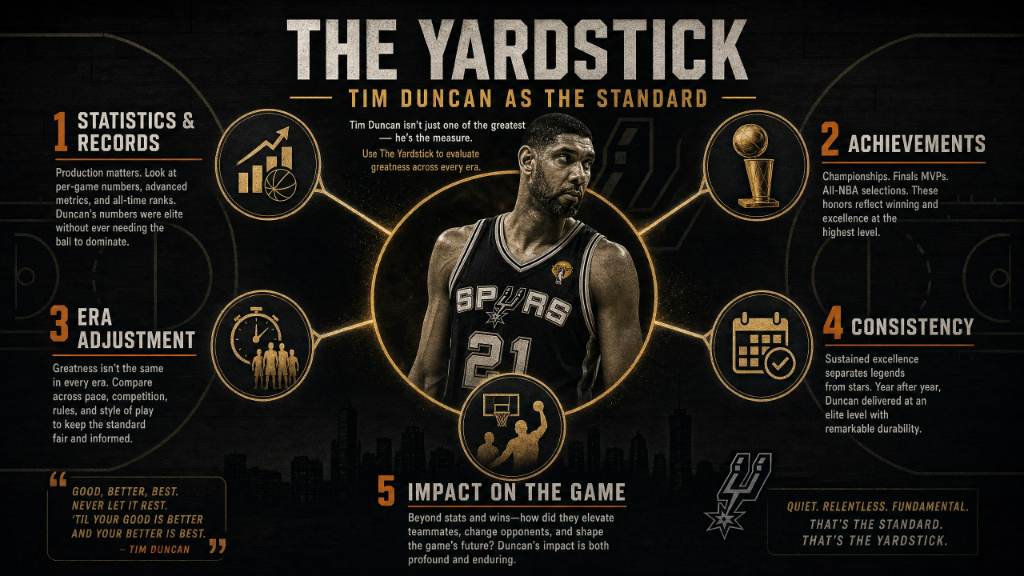
The power forward that sets the bar — the "Yardstick" by which all others are measured.
Hakeem Olajuwon
Footwork so devastating it became a pilgrimage for every big man in the league.
Larry Bird
Saw the game two passes ahead — and let you know about it while he did.
Shaquille O'Neal
The most physically dominant force the NBA has ever seen in the paint.
Magic Johnson
Part Hollywood, part Mid-America heartland — the player who, with Bird, rescued the NBA from mediocrity.
Wilt Chamberlain
The player who changed THE game — more rules were rewritten to neutralize him than any player in history.
Michael Jordan
The most recognized basketball name on the planet — and the most debated G.O.A.T. candidate of all time.
Kareem Abdul-Jabbar
The embodiment of winning — 6 NBA titles, 3 NCAA titles, 3 high school city titles. No player has won more at every level.
Revealed — October 1
#2 — Kareem Abdul-Jabbar
Kareem Abdul-Jabbar — #2 on my list of the greatest basketball players of all time.
Each one of these players in my top 10 have had great individual achievements and their teams have had tremendous success as well. None more successful on the basketball court than Kareem Abdul-Jabbar. That success in the form of winning is the embodiment of the basketball career of Jabbar. His teams won 6 NBA Championships. His UCLA Bruin teams won 3 NCAA Championships. Lewis Alcindor, as he was known early in his career, won 3 New York City Catholic Championships at Power Memorial High School. Alcindor's high school teams were 79-2. His freshman team at UCLA was 21-0, including a win over the UCLA varsity that was ranked #1 in the country at the time. His Bruin teams went on to win 88 out of 90 games.
Winning is one of my 10 criteria for greatness but is often given too much importance in evaluating an "individual" player. Basketball is a "team" game as I have stated many times in my book. As a former player and coach, I understand the goal is to win. I also know that ONE player does not win a "team" championship. But in the case of Jabbar, a case could be made that he was the most dominant player on the court and influenced the outcome of the game in every aspect. Throughout his career, he accounted for one-fourth, or more, of his team's points. He led every team he played on in rebounds and in blocked shots. As a post player, Jabbar was an outstanding passer. (3.6 assists career average in the NBA).
Another one of my criteria is the skill to play both ends of the court; Jabbar made the All-Defensive team in the NBA eleven times. Kareem played for 20 years in the NBA, which certainly checks the box for longevity. (He made the All-Star team in his 20th season.)
Center · 7'2" · 1969–1989
6× NBA Champion · 19× All-Star · 15× All-NBA · 2× Scoring Champion · 4× Blk Shots Champion · 1× TRB Champion · 11× All-Defensive Team · ROY · 2× Finals MVP · 6× NBA MVP · 75th Anniversary Team · Hall of Fame
Lew Alcindor could have been the number one pick in the 1965 draft as a 19-year-old high schooler coming out of Power Memorial High School in New York. The NBA was not drafting high school players back in 1969. His freshman UCLA team beat the UCLA #1 pre-season ranked varsity team in a scrimmage. But as we know Lew Alcindor became Kareem Abdul-Jabbar and became not just a great college player but an even better professional player. Bill Walton has said on many occasions that Jabbar was the best basketball player he ever saw. Like all the great ones Jabbar's stats can fill up a book and still not tell the true story of how great a basketball player he was. His first year in the NBA in 1969-70 he averaged 28.8 points a game and 14.5 rebounds. The NBA did not record block shots until Jabbar's fifth season in the league when he averaged 3.5, so it would be safe to assume he was blocking over three shots a game in those first four years in the league. While Jabbar's patented hook shot did not revolutionize the game like Chamberlain's offensive dominance, his hook shot was deadly and undefendable. His hook shot even took on its own identity, it was called the "Skyhook". Jabbar made more NBA All-Star Teams than anyone (19). He was selected to the All-NBA team 15 times, most by a center. He won more MVP's (6) than anyone who ever played.
He and Robinson are the only players in NBA history to lead the league in scoring, rebounds and blocks. At 39 and 40 years of age he was performing at a high enough level to make an NBA All-Star team. In his first 12 years in the league, he averaged 28.1 points, 14.1 rebounds, 3.4 blocks, and shot 55.6% from the field. He also played in over 80 games every year except three. He did that for 12 years. In those same 12 years in the playoffs, he averaged 28.8 points, 14 rebounds, 3.4 blocks, and shot 53.6% from the field. Besides his six MVPs he finished in the top 10 eleven other times. He teamed with the Big O to win an NBA title in Milwaukee in 1971 before an amazing run of five NBA titles in the 80s with Magic and the Lakers. Jabbar is currently the number one all-time points leader for a career with 38,387. He ranks #3 all-time in playoff points. Jabbar finished his career with 17,440 rebounds (currently ranked 3rd all-time). He finished his career with 3,189 blocks which is 3rd all-time even though the NBA did not keep that stat his first 4 years in the league. Jabbar is the only player in NBA history to lead the league in scoring, rebounding, blocks, and field goal percentage during their career. I can't help but wonder how many points Kareem Abdul-Jabbar might have ended up with had he had the opportunity to go directly into the NBA out of high school as so many players like LeBron were able to do. Jabbar was a great player and was great for a very long time.
◆ The Gem: At the time Jabbar retired in 1989 after an unbelievable 20-year career he was the all-time leader in Points, Games, Minutes Played, Field Goals Made, Blocked Shots, Career Wins, Playoff Points, Finals Points, MVPs, All-NBA Selections, All-Star Selections.
Comments
No comments yet — be the first!
Revealed — September 24
#3 — Michael Jordan
As they say on the banquet circuit, "This is a person that needs no introduction." At #3 on my list of the greatest basketball players in the history of the game is Michael Jordan. MJ, His Airness, or whatever name you give him, is the most publicized, recognized, and popular basketball player in the WORLD, not just the NBA. Like Chamberlain, Jordan is considered the GOAT by many, many basketball followers. As I have written in my bio of Jordan, he checks all the boxes, so I totally understand the Jordan allegiance. There aren't many Jordan haters out there. But as I stated throughout the first chapter of my book, I'm trying to be totally objective in the order in which I rank these great players — no emotions or feelings.
Shooting Guard / Small Forward · 6'6" · 1984–2003
14× All-Star · 11× All-NBA · 10× Scoring Champion · 6× NBA Champion · ROY · 9× All-Defensive Team · 1× Defensive POY · 6× Finals MVP · 5× NBA MVP · 75th Anniversary Team · Hall of Fame
Michael Jordan is one of the most recognized SPORTS names in the world. In a survey of the greatest athletes of all time, Michael Jordan was voted number one. He was followed in that survey by #2 Muhammad Ali, #3 Wayne Gretzky, #4 Usain Bolt, #5 Babe Ruth, #6 Michael Phelps, #7 Tiger Woods, #8 Bo Jackson, #9 Pele, and #10 Roger Federer. LeBron James showed up at 12th on the list. This survey was conducted in 2010 and, as they say, "times have changed" — or has it when it comes to picking the greatest basketball player of all time? Jordan has been considered the G.O.A.T. for several years and his popularity has not diminished much since his retirement almost 20 years ago. Among Jordan's many aliases he is referred to as "His Airness" and "Air Jordan" — those two references get to the heart of what made Michael Jordan so special on the basketball court. There have been other basketball players with great leaping ability and hang time, but no other player was able to do the things with a basketball that Jordan did while defying gravity. There is much more to Jordan than just his legs. He has the heart of a champion, the hands of a surgeon, the mind of an assassin, the will of a Secretariat, the discipline of Job, and the determination and competitive spirit of, well, Michael Jordan.
Everyone wants to define greatness with stats and numbers, but it isn't that easy. All the players that you have read about in this book and many more who did not make the book have great numbers. The question, and it is a very difficult question to answer, is what sets one great player apart from another? MJ checks all the boxes to be the G.O.A.T.: dominance, longevity, the yardstick test, excels on offense and defense, team championships, excels under pressure (clutch), and finally the stats. Jordan was five-time league MVP. Only Jabbar with six has more. He also finished second and third five other times in the voting. His Chicago Bulls team won the NBA title six times. Jordan was the MVP all six times the Bulls won the championship. He led the league in scoring 10 times and has the all-time best career average at 30.12 — just a half point better than Chamberlain. He and Pettit are the only two players in NBA history to average over 20 points every season of their career. He is currently 47th all-time in assists with 5,633 and 3rd in steals with 2,514. Jordan's ability to perform at a phenomenal level when the stakes were highest is reflected in his 33.4 average in the playoffs, which is three points better than during the regular season. Jordan made the First Team All-NBA and First Team All-Defensive team in the same season 9 times, most of any player. His career won-loss record is 706-366 (.659). His playoff won-loss record is 119-60 (.664).
◆ Bird and Magic are rightly given credit for resurrecting the NBA in the early 80s. Jordan almost single-handedly took the league to another level in the 90s.
Jordan was the MVP all six times the Bulls won the championship — a perfect 6-for-6 in the NBA Finals. He led the league in scoring 10 times and owns the all-time best career scoring average at 30.12, just a half point better than Chamberlain. His playoff scoring average of 33.4 is three points higher than his regular-season average — when the stakes were highest, Jordan was somehow even better.
Comments
No comments yet — be the first!
Revealed — September 17
#4 — Wilt Chamberlain
Last week at #5 in my countdown to the greatest basketball player of all time I presented the player that changed A position in basketball, point guard. This week at #4, I am going to present a player that changed THE game. Wilt Chamberlain, who many basketball fans consider the GOAT, was responsible for more rule changes than any other player in the history of the game. At least five rules were changed to try and neutralize his effect on the game. Goal tending, rules of execution on the free throw lane were just two rules that were changed due to Chamberlain. He could throw the basketball off the backboard while attempting a free throw, go rebound the ball and dunk it for a basket.
Center · 7'1" · 1959–1973
13× All-Star · 10× All-NBA · 7× Scoring Champion · 11× TRB Champion · 2× NBA Champion · 4× NBA MVP · ROY · 2× All-Defensive Team · 1× Finals MVP · 75th Anniversary Team · Hall of Fame
Wilt Chamberlain was the most dominating basketball player of his generation and arguably the most dominating player to ever play the game. No other player has been responsible for so many rule changes to the game of basketball than Wilt Chamberlain — free throw lane, free throw shooting, goal tending, etc. Like Jabbar, Chamberlain could not enter the NBA as a teenager right out of high school but began his NBA career in 1959 at the age of 23. That is truly significant in sports when your youth and physicality are so important. In Chamberlain's first year in the league, he led the league in points with a 37.6 average, rebounds with a 27.0 average, and minutes played.
"The Big Dipper," his favorite nickname, led the league in points seven times including a record 50.4 points per game in 1961-62, a record that still stands. He led the league in rebounds 11 times including an average of over 27 in 1959-60 and 1960-61. In his 14 seasons he led the league 9 times in minutes per game played. Wilt had 124 30/30 games in his career — all other NBA players COMBINED have had 32.
Chamberlain holds many firsts or onlys in the NBA: only player to average 50 points a game, only player to score 100 points in a game, only center to lead the league in assists (he did that in response to sports writers accusing him of shooting too much and not being able to pass). Wilt is the only player to average 30 points and 20 rebounds for a season, only player to get 2,000 rebounds in one season (2,149), only player to score over 4,000 points in a season (4,029).
Chamberlain finished his career with 31,419 points (currently 7th all-time), 23,924 rebounds (currently 1st all-time), and 4,643 assists. Neither Wilt nor Russell played in the NBA when blocked shots were kept — they would have likely finished #1 and #2 in that category.
The only two criticisms ever made about Chamberlain were that he only won two NBA titles, and he could not shoot free throws. Only one of these is fair — he could not shoot free throws. As for championships, basketball is a team game. Chamberlain never had great players as teammates except for a few years. No matter how much fluff and rhetoric is spouted about the matchup between Russell and Chamberlain, Wilt dominated their head-to-head. In 94 regular season games between the two, Wilt averaged 29.9 points to Russell's 14.2, and 28.1 rebounds to Russell's 22.9. In the playoffs, the numbers were about the same — Wilt averaging 25.7 points to Russell's 14.9 and 28.0 rebounds to 24.7.
I have always said that if Wilt and Russ would have switched teams, the records would have been the same — or perhaps the Celtics might have NEVER lost a championship. Russell himself said, "Wilt Chamberlain was the most athletic player to EVER play in the NBA."
They say that records are meant to be broken, but I think Wilt Chamberlain set records in the NBA that will never be broken. He still holds 72 NBA records, and he retired over 50 years ago! Wilt won four NBA MVPs but for some inexplicable reason he DID NOT win the award the year he averaged 50 points and 25 rebounds. (Russell did.)
So how can Wilt not be the G.O.A.T.? When I started this book, I thought he would be. I have always maintained that he was the greatest. What changed my mind? Longevity, the era in which he played, and through no fault of his, the lack of championships. The NBA kept changing rules to try and neutralize his tremendous talent, but he still dominated the league like no one else ever has. I or any NBA savant could easily make an argument for Wilt to be the G.O.A.T.
Comments
No comments yet — be the first!
Revealed — September 10
#5 — Earvin "Magic" Johnson
Let the drum roll begin and the countdown to my #1 greatest basketball player of all time commence. At #5, one of the two players that rescued the NBA from mediocrity in the early 80's after the Chamberlain-Russell and Celtic/Laker battles. Earvin "Magic" Johnson, along with Larry Bird, brought a new aura to the National Basketball Association. Part Hollywood and part "Mid-America, Heartland," Magic was the quintessential name for Earvin Johnson, the basketball player from LA.
Point Guard / Shooting Guard · 6'9" · 1979–1996
5× NBA Champion · 3× NBA MVP · 3× Finals MVP · 12× All-Star · 10× All-NBA · 4× Ast Champion · 75th Anniversary Team · Hall of Fame
Magic is the quintessential name for Earvin Johnson, the basketball player. What he could do on a basketball court was truly magic. He was drafted first overall in 1979 and went to the perfect team, in the perfect city — a city that included Hollywood. Magic and his basketball talents were made for Hollywood, and before his career ended, he received a lot of "Oscars" (NBA MVPs).
Magic was the first 6'9" point guard, but his legend grew while playing another position. He almost single-handedly won the 1980 NBA title with an unbelievable Game 6, scoring 42 points and grabbing 15 rebounds — as the center. Jabbar suffered an ankle injury with the Lakers ahead of the 76ers 3–2 in the Finals and could not play in Game 6. Magic announced to the team and the world, "Do not fear, EJ is here." Promises backed up with results is what legends are made of — Joe Namath, Muhammad Ali, Babe Ruth, etc.
In his first year in the NBA, he led the Lakers to the NBA Finals and became the only rookie in NBA history to win Finals MVP. He scored 42 points, pulled down 15 rebounds, dished out 7 assists, and made 3 steals in Game 6, the clinching game. Many NBA followers rate that game as one of the best playoff games by any player, ever. Magic spent his entire 13-year career as a Laker in the "City of Angels." He would have had even more remarkable stats if he hadn't sat out four years dealing with a new and scary illness — HIV.
Magic led the NBA four times in assists and is the all-time career playoffs leader in assists (12.3 APG in the playoffs). Magic was always at his greatest when the spotlight shined brightest. The Lakers won 5 NBA championships with Magic running the show, and he played in four other NBA Finals. He teamed with Jabbar to form one of the most imposing and dominating duos in all of basketball history.
However, he is probably recognized as much for his link to a rival player from Boston. He and Larry Bird began their "friendly" rivalry in the NCAA tournament and carried that special rivalry right through their NBA careers. That rivalry and their extraordinary talent rescued the NBA from obscurity during the early '80s. Magic won three MVPs and finished second or third six other times. He finished his career with 17,707 points and 10,141 assists (currently 6th all-time). Magic is considered the best point guard to ever play the game.
It has been difficult for me to try and choose just one particular, unique, and incredible stat on each one of these players that stands out above the rest, but that is not the case for Magic. He is the winningest player in the history of the NBA. His regular season winning percentage is .739 (670–236). His playoff record is 128–62 (.674). He won 5 championships and played in four other finals. Can you say WINNER!
Comments
No comments yet — be the first!
The Top 5 — Every Thursday
One player. One week. Five weeks of suspense. Starting with #5 this Thursday — and building to the #1 G.O.A.T.
#5
✓ Revealed
#4
✓ Revealed
#3
✓ Revealed
#2
✓ Revealed
#1 — The G.O.A.T.
✓ Revealed
Can't wait? The full top 10, with bios and gems for every player, is in the book.
Let the debate begin. One player. Every Thursday. Until the G.O.A.T. is crowned.
★ Explore
Illinois All-Decade Teams
From the 1950s through the 2010s — the greatest high school basketball talent Illinois has ever produced, all in one place.
View All-Decade Teams →The Most Successful Illinois High School
Basketball Programs of the Last Seven Decades
1950s – 2010s · And the Coaches That Made Them
Jack Sutter turns his attention from the best players to the best teams — and the Hall of Fame coaches who built them. Seven decades of wins, championships, and legacies from across the state of Illinois.
Arthur Trout
Centralia
811–330
3 State Titles
Stan Changnon
Mt. Vernon
230–59
2 State Titles
Harry Combs
Champaign HS
254–46
1 State Title
Dolph Stanley
Taylorville
217–49
'44 Team: 45-0
Never Miss a Story
Get an email when Jack publishes a new article. No spam — just basketball history.
The Climb to Greatness
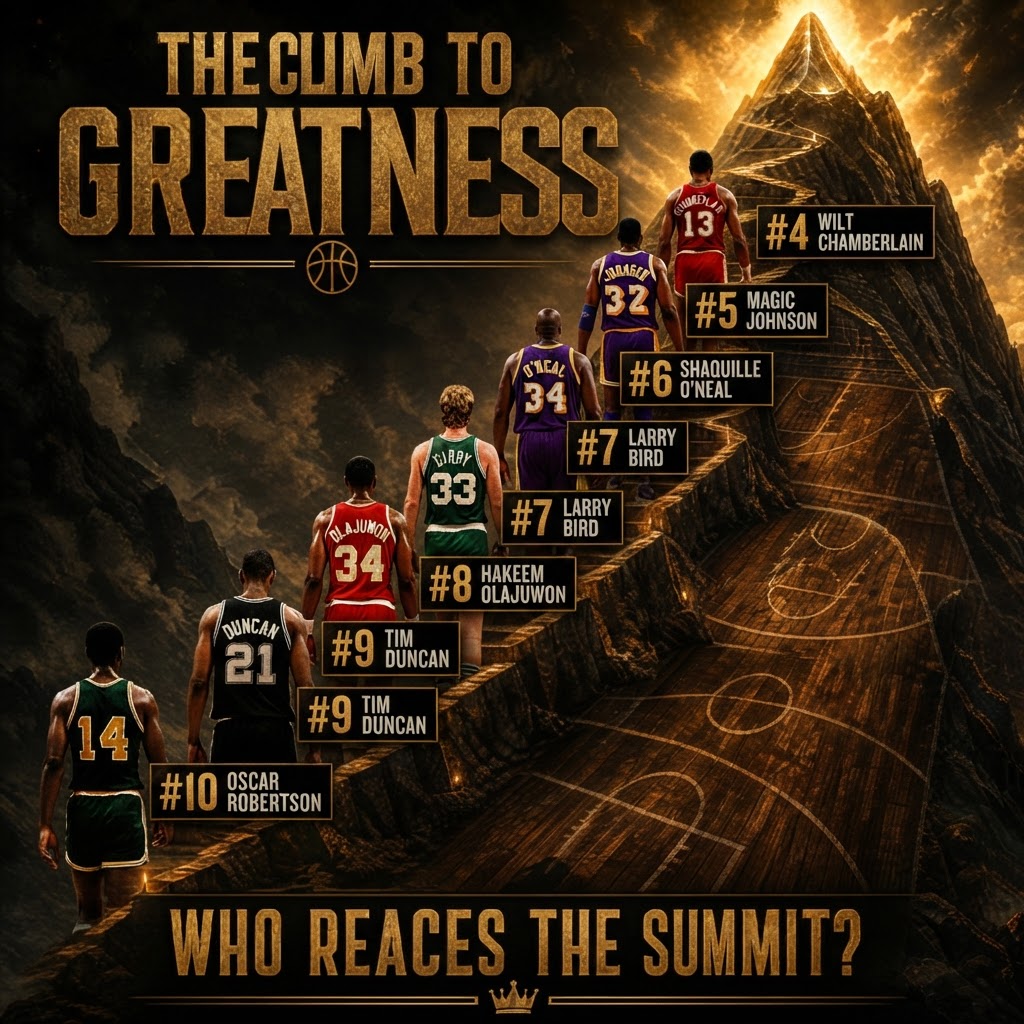
Greatness is easy to recognize but often hard to define. That is a phrase I have used several times in my book The GOAT: The Quest to Find the Best. As they say, greatness, like beauty, is in the eye of the beholder. I suppose that can be the case sometimes but "true" greatness is not based on an opinion or a person's likes and dislikes.
But what sets Jack's book apart from so many others that have written about the best basketball players of all time is he has seen all of them play. It may be true that some talent, like beauty, is unmistakable; it still begs for an answer to why. "Before Jack even got into his list of the greatest basketball players of all time, he developed a methodology to explain in detail why he ranked the players the way he did," wrote BookRib in their review.
I have played, coached, and been a fan of this great game for over 73 years. I began paying attention to basketball when I was 9 years old. I have seen, in real time, every player who has risen to the level of the NBA. In writing the book, The GOAT, it was difficult sometimes to stick with my criteria and not let feelings interfere. My basketball hero as I was growing up did not make my top 10. The player I thought was the greatest player for years before I began my research and wrote the book, finished 4th. There is a big difference between who you like, and think is the greatest and who checks the boxes that define greatness.
It has almost been 5 years since I wrote my book. I have been asked if there has been any player since I published my book that deserves a place in the top 10? I believe, at this time, there are only three potential candidates. Steph, KD, and Giannis. They are the best candidates, other than the one who is already in my top 10. But every time I talk with anyone or seriously contemplate changing my top 10, I come back to this one question. Who do I remove?
When I ask my very knowledgeable basketball friends, they always say take the "ole" guys out. I often hear this among NBA pundits as well. But when I start going over the research and looking back on my criteria, I think these three would be better now than when they played. Oscar Robertson is the architect of the "triple double" and it was nothing back then. Wilt Chamberlain still holds over 50 NBA records, and even Bill Russell said he was the best athlete to ever play in the NBA. In my book I talk about "The Yardstick" by which all other players are measured. Tim Duncan is the power forward that sets the bar.
So, after a lot of thinking and "soul searching", I have decided to leave my top 10 and even my top 20 the same for the near future. Sorry Steph, you are still the third best point guard of all time, for now. KD, you are the best "scorer" in the NBA, a match-up nightmare, but I'm not ready to replace Bird, Kareem or Duncan, right now. Giannis has had a brilliant 13-year career, but I'm not ready to elevate him into the top 10 or even place him above my second ten. Beauty and greatness may be in the "eye of the beholder", but I prefer a more "scientific" approach based on research, evaluation, statistics, and achievements.
What Makes a Great Basketball Player
I spent over 10 months doing research and writing my book. I was a high school and college basketball coach for 22 years. I have been involved with basketball for over 70 years. During these years I have developed a philosophy and some principles that have become the basis for my thoughts and ideas about the game I love. My criteria are based on my experiences as a player, coach, and fan. I used these 10 criteria to define greatness on the basketball court.
Dominance
The best player on the floor. Every athlete rises to a level that is their maximum level of success. At every level of competition, even in the NBA, there is one player that rises above the rest.
Physicality
As it is defined by Webster "intensely physical orientation". Size, quickness, speed, jumping ability are all components but equally as important is the development of those God given attributes. *In my book I have this third but since I wrote my book in 2022, I have moved it up to number two.
Longevity
Simply stated, for how long a period of time was the player elite? I reward consistency whether that is for a game, season, or career. I believe it takes perseverance, discipline, hard work, and often just good fortune to stay healthy and compete at the highest level year after year. I believe it is harder to stay on top than to get there.
Offense vs. Defense
Offense requires more skill to master than defense. Defense may travel or be more consistent or whatever other cliché you want to use but it takes more athletic ability to score than to keep someone from scoring.
Statistics
There is a reason why I list stats fifth and not first or second. They can be misleading and influenced by circumstances. There are no other criteria that has been influenced more by the rules, court, and era than statistics. Numbers can deceive.
Awards and Honors
This criteria is very relevant to the era. There were several awards that were not given until 1956-57 such as the MVP. Other awards like All-Defensive was first given in 1968-69. I give more "weight" to modern day recipients because of the number of teams and players. (It is harder to win an award with 450 players in the league than 90 and it is harder to win a title with 30 teams rather than 8 or 9.)
Winning
This may be the most controversial criteria, not because it is a criteria but because I have it #7. I understand the object of the game is to win AND the most important thing is to win. BUT basketball is a TEAM sport, and ONE player does not win a championship. I go into detail explaining my philosophy about roles, contributions, chemistry, etc. in my book.
Yardstick
I recently did a post about the "yardstick". The yardstick is the measuring device (player) that is the best in a particular fundamental or aspect of the game by which all other players are measured. i.e. shooting Curry or Bird, rebounding Wilt or Russell.
Clutch
The player who performs at the highest level in the greatest of pressure situations. Who thrives in the playoffs and when the lights are brightest?
Plays Both Ends of the Court
I have offense as my fourth most important criteria but I do not believe that a player can be considered great without being a good defensive player. There are no players in my Top 75 just because they scored a lot of points.
*I go into much more detail defining and explaining my criteria in my book.
These are the 10 criteria that I believe are the best indicators of greatness. I think it is easy to recognize greatness but difficult to define it. These criteria help me to not only recognize it but to use it to differentiate levels of greatness.
Jack Sutter

Jack Sutter's basketball journey began in the small farming and coal mining town of Galatia, Illinois, where he learned the game on a dirt court. What started as a childhood passion evolved into a lifetime of dedication to basketball at every level — as a player, coach, historian, and author.
As an All-State player in Illinois, Jack developed the skills and basketball IQ that would define his career. He went on to play Division 1 basketball at Middle Tennessee State, where he gained firsthand experience competing against and observing some of the game's greatest players.
Jack's coaching career spanned 22 years at the collegiate level, where he made two NIT appearances and achieved a Top 10 ranking during his four years at Oral Roberts University. He coached three All-Americans and helped develop seven NBA draft picks, leaving an indelible mark on the lives of his players both on and off the court.
One of Jack's most meaningful accomplishments came when a former player from 50 years ago recently texted him about the Illinois All-Decade voting project, saying he was amazed that Jack was still innovating and connecting with the basketball community at 81 years old. That message captures the essence of Jack's legacy: a basketball lifer who continues to contribute to the game he loves.
Career Highlights
70+ Years in Basketball
Seven decades of playing, coaching, and analyzing the game at the highest levels.
22 Years Coaching
College coaching career with 2 NIT appearances and Top 10 ranking at ORU.
3 All-Americans
Coached three All-American players during his collegiate coaching tenure.
7 NBA Draftees
Helped develop and prepare seven players who went on to the NBA.

